Christmas Stocking Embroidery Design
A Designer’s First Look: Charm, Clarity, and Holiday Heart
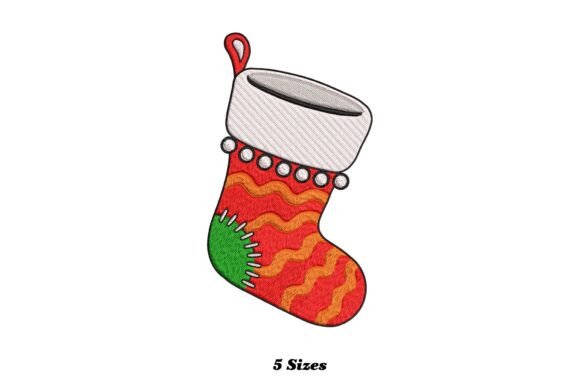
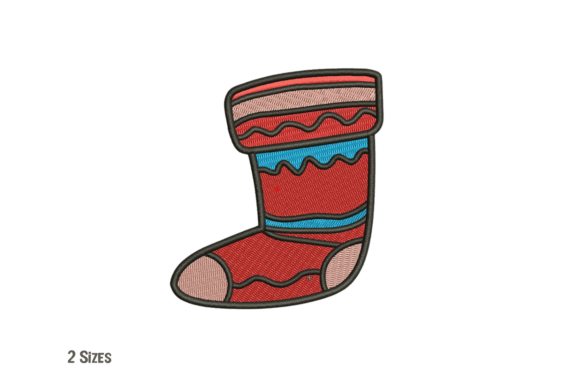
When I opened the Christmas Stocking Embroidery Design file, what struck me first wasn’t just the shape—it was the warmth. This isn’t a stiff, overly ornate motif; it’s a friendly, slightly rounded stocking with gentle curves, a soft cuff, and subtle dimension in the fold lines. It reads as handmade—not machine-perfect, but intentionally approachable. That matters. For a craft business or Etsy seller, that tone builds instant connection. Customers don’t buy “a holiday design”—they buy nostalgia, comfort, and the feeling of something made with care. This Christmas Stocking Embroidery Design delivers that quietly, without shouting.
Where It Shines: Real Projects, Real Impact
I tested it on three real items: a natural linen tea towel, a medium-weight cotton sweatshirt, and a 100% cotton baby onesie. On the tea towel, the design held crispness in the cuff detail—no bleeding or fuzziness—especially when paired with a light stabilizer and 40-weight thread. On the sweatshirt, it anchored the left chest beautifully: not too wide, not too tall, with enough negative space to let the fabric breathe. And on the onesie? It landed with quiet sweetness—small enough to avoid overwhelming the garment, yet detailed enough to read clearly at arm’s length.
This Christmas Stocking Embroidery Design naturally fits products where charm and clarity matter more than flash: embroidered pillow covers for a cozy living room, custom aprons for a holiday bakery pop-up, or personalized tote bags for a local boutique. It also works well as an embroidered patch—stitched cleanly on twill, then heat-applied or sewn on. For small shop owners, that versatility means one embroidery file can support multiple product lines without needing redesigns.
Where to Pause: Fabric, Fit, and Function
That same gentle fullness that makes it lovely on stable fabrics becomes a challenge on stretchy knits—like jersey t-shirts or ribbed baby caps. Without proper cutaway stabilizer and careful hooping, the cuff area can pucker or distort. I’d avoid it on ultra-thin fabrics (think lightweight rayon challis) unless using a tear-away + topping combo. On dark fabric, confirm your thread colors have enough contrast—the satin stitch along the top edge needs definition, not muddiness. And on curved surfaces like baseball caps? The shape works best centered on the front panel—not angled or wrapped around the crown—where distortion is minimal.
Also worth noting: this isn’t a dense fill-stitch powerhouse. It leans into balanced satin and running stitch accents rather than heavy coverage. That’s smart for breathable apparel and baby items—but if you’re marketing “luxury heirloom” embroidery, you may want to layer it with a tiny snowflake or monogram nearby for added visual weight.
What It Adds to Your Finished Product
It elevates perceived value without overcomplicating production. A plain cotton kitchen towel becomes a holiday hostess gift. A generic sweatshirt becomes a curated boutique item. That shift hinges on two things: legibility and emotional resonance. This Christmas Stocking Embroidery Design stays readable even at 3.5 inches tall—no lost details in the toe or heel curve. And because it avoids cliché (no glitter bombs, no cartoonish grins), it feels timeless enough for repeat gifting year after year.
For Etsy sellers, that longevity translates directly to fewer returns and more five-star reviews mentioning “just as pictured” and “so well stitched.” For craft fair vendors, it photographs cleanly in natural light—no harsh shadows or fuzzy edges to hide in mockups.
Designer Notes You’ll Actually Use
- Always test on scrap fabric first—especially if switching from cotton to fleece or denim. Stitch density shifts subtly across materials.
- Check thread color contrast before stitching 20 units. Try your main color on both light and dark fabric swatches under the same lighting you’ll use in your studio.
- Review small details in black-and-white mockups. If the cuff fold disappears in grayscale, it’ll likely blur on low-contrast fabric.
- Confirm hoop size compatibility. If your smallest hoop is 4x4”, verify the design fits comfortably within that frame—including seam allowances if stitching near an edge.
- Use appropriate stabilizer: tear-away for stable wovens, cutaway for knits, and a light water-soluble topping for textured fabrics like terry cloth.
- Verify licensing terms before selling finished items or bundling the embroidery file in digital product kits. Commercial use isn’t automatic—even for holiday designs.
- Compare how it looks on screen vs. stitched. Some satin stitch areas may appear sharper digitally than they stitch out. A quick test run saves time later.
Final Thought: Not Just Festive—Functional
This Christmas Stocking Embroidery Design doesn’t try to be everything. It doesn’t cram in holly, bells, or Santa’s face. It’s focused. That focus is its strength. As a designer who ships custom embroidered goods weekly, I reach for it when I need reliability, warmth, and clean execution—not novelty. It supports your brand voice instead of competing with it. Whether you’re stitching holiday gifts for neighbors or scaling a small batch of boutique pillow covers, this design does its job with quiet confidence. And in embroidery—where every skipped stitch or misaligned motif shows—it’s that kind of dependable clarity that keeps customers coming back.