Moon Sunflower Embroidery
A Craft Fair Designer’s First Look: Joyful, Charming, and Booth-Ready
As an embroidery designer who’s prepped over 200 craft fair booths—and watched which designs stop foot traffic versus which get a polite glance—I opened Moon Sunflower Embroidery with high expectations. The title alone sets a warm, approachable tone: not overly rustic, not starkly modern—just quietly joyful. It lands somewhere between cottagecore charm and gentle botanical elegance. That balance is gold for handmade markets. Customers don’t need to “get” a concept—they just need to feel invited in. And this design delivers that at first glance.
Where Moon Sunflower Embroidery Shines on Real Craft Fair Products
This machine embroidery design thrives where personality meets practicality. On a natural linen tote bag? Perfect—it reads clearly from three feet away, with enough detail to intrigue but not so much it blurs at arm’s length. As apron embroidery, it anchors the chest pocket beautifully: friendly, grounded, and just whimsical enough to spark conversation. For tea towel embroidery, its open shape and soft curves translate well across textured cotton—weaving in without competing with towel weave or print.
Embroidered patch potential is strong too. At 3–4 inches wide, Moon Sunflower Embroidery holds crispness without excessive stitch density, making it ideal for iron-on or sew-on patches sold individually or bundled with kits. On small fabric pouches and pillow covers, it works best as a centered focal point—not tucked into a corner. And yes, it even reads well on curved surfaces like caps, provided you use proper cap hoops and lightweight stabilizer (more on that below).
What Makes This Design Sell—Beyond Just Looks
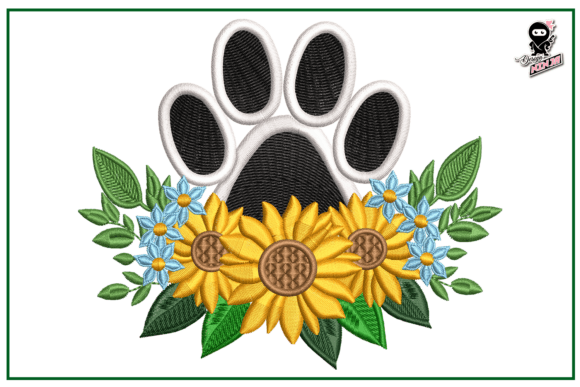
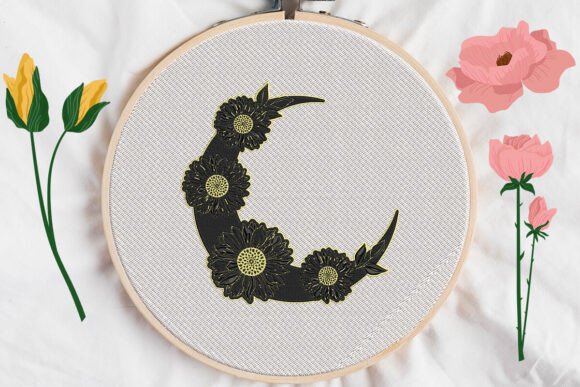
Three things make Moon Sunflower Embroidery a smart craft fair pick: clarity, scalability, and emotional resonance. It’s instantly legible—even at 2.5 inches—as a single flower silhouette with subtle moon crescent integration. No tiny lettering, no fragile filigree. That means fewer customer questions (“Is that a sun or a moon?”), faster decision-making, and higher perceived value for a handmade product.
Photography is effortless. Whether shot flat on a neutral background or styled on a market bag slung over a wooden chair, the design retains its charm in natural light. That’s critical for Etsy sellers building listings with printable mockups. And because it’s rooted in the Single Flowers category, it slots cleanly into broader collections—think “Botanical Bundle” or “Celestial Stitch Set”—making cross-selling smoother for boutiques and small shop owners.
Production Practicalities: What You’ll Love (and What to Watch)
This embroidery file feels designed by someone who’s stitched under deadline. It avoids common pitfalls: no overlapping satin stitches that snag, no ultra-fine stems that vanish on terry cloth, and no dense fill areas that pucker thin cotton. Still—every machine embroidery design deserves real-world testing before batch production.
- Test on scrap fabric first—especially if using textured tea towels or thick denim for aprons. Adjust top thread tension if the moon crescent looks flattened.
- Check thread contrast carefully. Light gold or buttery yellow works beautifully against navy or charcoal—but avoid matching thread to dark fabric unless you want subtlety over impact.
- Confirm hoop size and stabilizer needs. If your file includes multiple sizes, verify the smallest version still reads cleanly at 2 inches. Use cutaway stabilizer for knits, tear-away for stable wovens.
- Inspect stitch density before scaling down. Some versions of floral embroidery lose definition below 2.25 inches—Moon Sunflower Embroidery holds up well, but always verify with your machine.
- Create at least one real mockup—not just a digital preview. A stitched tea towel hanging on your booth display tells customers more than ten listing photos ever could.
Design Notes Every Embroidery Business Owner Should Keep Handy
Moon Sunflower Embroidery doesn’t scream “premium luxury,” but it *feels* intentional—like a thoughtful detail on a gift-worthy finished product. That perception lifts average pricing. I’ve seen similar designs increase perceived value by 15–20% on embroidered pillow covers and market bags simply because they signal care, not mass production.
For brand consistency, this design plays well alongside muted palettes (sage, oat, clay) or soft pastels—but avoid pairing it with harsh neons or aggressive geometrics unless you’re curating contrast intentionally. In booth displays, group it with complementary textures: burlap tags, cork coasters, hand-dyed ribbons. Let the Moon Sunflower Embroidery be the quiet anchor—not the only voice.
And a final note for digital sellers and commercial embroiderers: confirm commercial licensing before selling finished goods. The product description says “this machine embroidery design comes with mul…”—but since full terms aren’t listed, always double-check file metadata or contact the designer directly. Never assume reuse rights, especially for Etsy or wholesale accounts.
Why Moon Sunflower Embroidery Fits Seamlessly Into Your Creative Workflow
Whether you’re stitching 50 tote bags for a farmers’ market or creating limited-edition pillow covers for your boutique, Moon Sunflower Embroidery scales without stress. It’s not fussy. It’s not trendy in a fleeting way. It’s a reliable, repeatable craft fair product that supports storytelling—“sunshine + calm,” “growth + grace,” “day + night in harmony.” That kind of quiet meaning resonates deeply with handmade buyers.
It also pairs effortlessly with other design assets: simple monograms, minimalist leaf sprigs, or even coordinating printed labels. That flexibility makes it a workhorse for seasonal collections—spring launches, summer markets, fall gifting—without needing redesign or repositioning.
In short: Moon Sunflower Embroidery isn’t just another embroidery file. It’s a considered, booth-tested, buyer-aware choice—one that balances visual warmth with production realism. If you’re selecting designs for your next craft fair lineup, this one earns its spot front-and-center.