Embroidery Hoop Art Review
A Designer’s First Look: Clean, Curated, and Camera-Ready
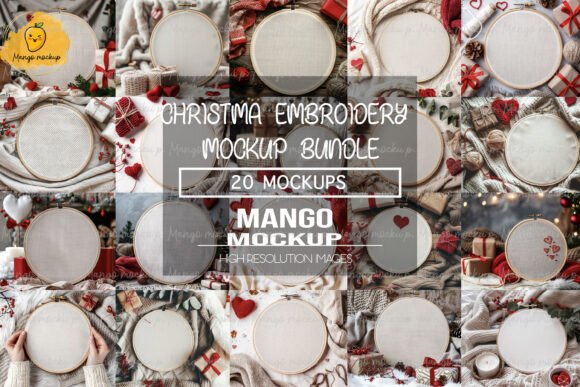
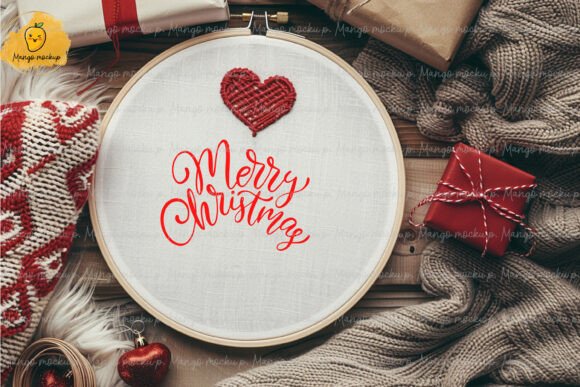
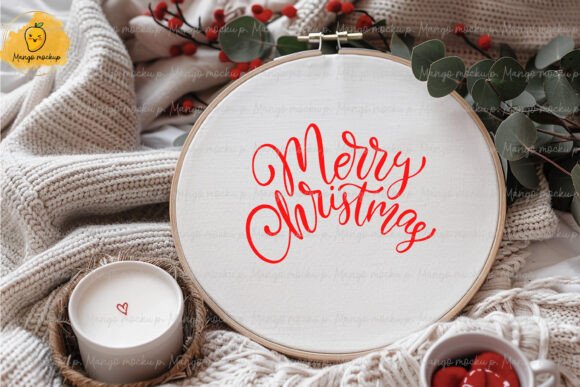
As an embroidery designer who’s developed collections for boutique apparel brands and Etsy sellers for over a decade, I opened Embroidery Hoop Art expecting charm—but what stood out immediately was its visual precision. The high-resolution JPG (3750x3000 pixels, 300 DPI) delivers crisp edges and balanced negative space, making it feel intentionally composed—not just decorative, but *curated*. It leans into a soft, artisanal mood: neither overly rustic nor hyper-trendy, but quietly confident in its handmade aesthetic. Think elevated cottagecore meets modern minimalism—ideal for brands that value authenticity without sacrificing polish.
How Embroidery Hoop Art Performs on Real Apparel
This isn’t just a pretty graphic—it’s a versatile visual anchor for custom apparel. Here’s how it translates across key product types I’m currently developing for a small sweatshirt collection:
- Sweatshirt embroidery: Works beautifully on neutral heather grey or oatmeal fleece. The design’s moderate scale and open layout avoid overcrowding the chest area—even on oversized hoodies.
- Hoodie design placement: Ideal for left-chest positioning (standard 4–5" width), but also compelling as a subtle back yoke accent or sleeve cuff detail when resized thoughtfully.
- T-shirt embroidery: Holds up well on midweight cotton blends. Its clean lines prevent “mushiness” common with dense fill stitches on lightweight fabric.
- Denim jackets & tote bags: Adds tactile contrast without competing with texture—especially effective against raw-edged denim or natural canvas.
- Seasonal lifestyle pieces: Paired with cozy knits or brushed fleece, Embroidery Hoop Art reinforces warmth and intentionality—perfect for fall/winter capsule launches.
Where to Use It—and Where to Pause
Not every placement is equal. As a working designer, I treat Embroidery Hoop Art like a trusted tool—not a universal fix. Here’s where it shines—and where extra care is needed:
- Best for: Flat, stable surfaces (front chest, back center, tote front); medium-to-heavy fabrics (fleece, French terry, structured cotton); and placements where visual breathing room matters (e.g., avoiding seam intersections or ribbed cuffs).
- Use carefully on: Highly stretchy knits (test stitch tension first); curved areas like shoulder seams; dark garments (verify thread color contrast—lighter tones pop best); and tiny lettering zones (this design has no fine text, so no risk there).
- Avoid on: Areas prone to repeated folding or abrasion (e.g., elbow patches) unless stitch density is confirmed low—since this is a Product Mockup and not a machine embroidery file, actual stitch count isn’t provided. Always confirm that detail before digitizing.
More Than a Graphic: Brand Value in Every Detail
For boutique brands and small shop owners, Embroidery Hoop Art does quiet but powerful work. It elevates perceived value—not through flash, but through cohesion. When used consistently across sweatshirts, tote bags, and social media graphics, it builds visual recognition faster than abstract logos alone. Customers scrolling Etsy listings or Instagram feeds instantly associate that hoop motif with your brand’s thoughtful, handcrafted ethos. That consistency builds trust. It tells buyers: This isn’t mass-produced. This is considered.
It also streamlines your workflow. As a Graphics product, it serves double duty: as a printable mockup for pitch decks and client previews, and as source art for digitizing into a true machine embroidery design. That flexibility saves time—especially when juggling multiple SKUs for a holiday drop.
Practical Notes from the Embroidery Bench
Before committing to production, here’s what I always do—and recommend you do too:
- Test print on scrap fabric to assess scale and proportion relative to your target garment size.
- Choose stabilizer based on fabric weight: cutaway for fleece, tear-away for cotton tees, and fusible + tear-away for ribbed knits.
- Review thread color contrast—especially on dark apparel. Light ecru, soft sage, or warm taupe often harmonize better than stark white.
- Confirm hoop size compatibility if digitizing: while Embroidery Hoop Art is a JPG, your digitizer will need to fit it within standard hoop dimensions (e.g., 4x4", 5x7").
- Inspect stitch density *after* digitizing—not before. Since this is a digital download only, the final stitch count depends entirely on your digitizer’s interpretation.
- Always test on the exact garment fabric you’ll sell. A mockup looks flawless on screen—but fleece behaves differently than jersey.
- Compare placement options: chest, sleeve, back. Even slight shifts change the garment’s personality.
- Review Creative Fabrica’s licensing terms directly. As a digital embroidery file derivative, commercial use of finished apparel depends on license scope—not assumed.
Final Thoughts for Creative Entrepreneurs
If you’re building a boutique brand rooted in authenticity—whether you’re an Etsy seller launching your first hoodie line or a small embroidery shop curating seasonal merchandise—Embroidery Hoop Art offers more than visual appeal. It’s a cohesive storytelling device: subtle enough for everyday wear, distinctive enough to stand out in a crowded feed. It doesn’t shout—it invites. And in today’s market, that kind of quiet confidence resonates deeply with intentional buyers.
Just remember: great design starts with smart preparation. Let this Product Mockup inspire your next collection—but let your own testing, fabric knowledge, and brand voice guide the final stitch.